

Athlete's Foot (Tinea Pedis) Care
Practical guidance, treatment options and prevention tips from Queens Park Pharmacy Bournmouth to relieve itching, scaling and discomfort.
Book Now
Key steps to manage athlete's foot at home and when to seek help.
Recognise, Treat, and Prevent
Athlete's foot is a common fungal infection that affects the skin of the feet, often between the toes. Symptoms include itching, redness, cracking and sometimes blisters. Over-the-counter antifungal creams, sprays or powders can be effective when used consistently. Good foot hygiene—washing daily, drying thoroughly, rotating shoes and wearing breathable socks—helps prevent recurrence. If symptoms worsen, spread to other body areas, or do not improve after a full treatment course, consult our pharmacists for further advice or a referral to your GP for prescription options.
Look for itching and peeling skin
Use antifungal creams as directed
Keep feet dry and breathable
Continue treatment for full course
Symptoms
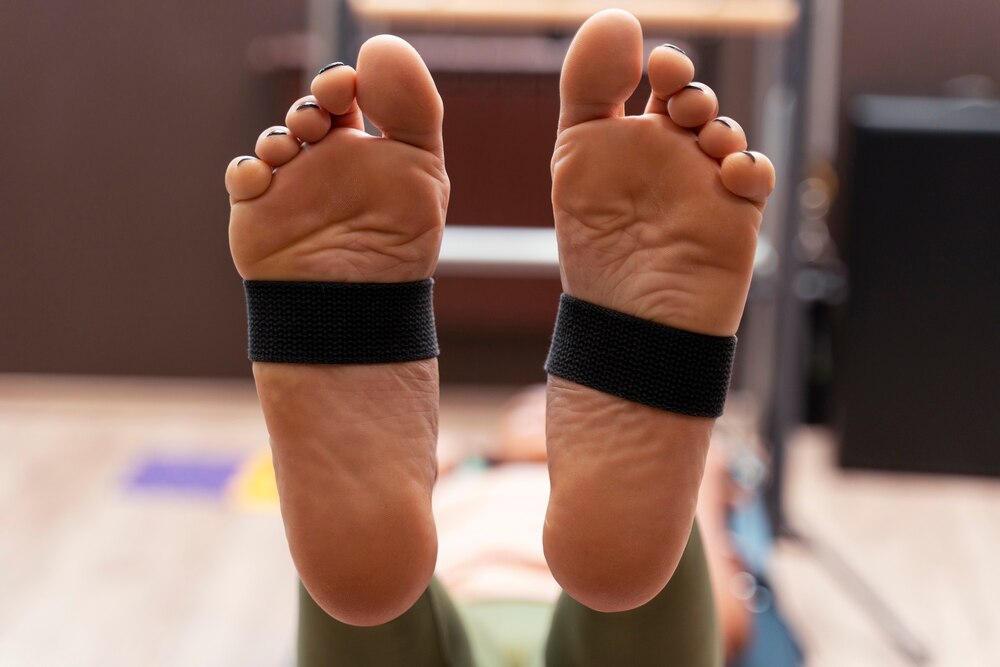
Itching, flaking, cracked skin, and redness commonly occur between toes or on soles.
Treatments
Topical antifungals like clotrimazole or terbinafine often clear infections in weeks.
Prevention
Dry feet, change socks daily, and avoid walking barefoot in communal areas.
Understanding topical options and correct application.
How Antifungal Treatments Work
Topical antifungal treatments work by inhibiting growth of the fungus causing athlete's foot. Common active ingredients include clotrimazole, miconazole and terbinafine. Apply to clean, dry skin as directed—usually once or twice daily—and continue for the full recommended duration, often 2–4 weeks, even if symptoms improve sooner. For extensive or persistent infections, oral antifungal medication prescribed by a doctor may be necessary. Our pharmacy team can recommend the right over-the-counter product, advise on application, and check for interactions with other medicines you are taking.
Simple habits reduce recurrence risk.
Practical Prevention Tips
Preventing athlete's foot is largely about reducing moisture and limiting exposure to fungi. Choose moisture-wicking socks, rotate shoes to allow drying, and wear open footwear where possible. Avoid sharing towels, socks or shoes, and use protective flip-flops in communal showers and pool areas. Treat damp shoes with antifungal powder and wash socks in hot water. If you have diabetes or circulation problems, see a healthcare professional early for any foot skin changes to avoid complications.

Quick Key Points
Prompt treatment and consistent hygiene usually clear athlete's foot. Over-the-counter antifungals are effective for most uncomplicated cases; apply exactly as instructed and continue for the full course. Prevent recurrence by keeping feet dry, changing socks daily, and using breathable footwear. If signs worsen, if you have diabetes, or if the infection spreads to nails or other body areas, consult a pharmacist or GP for further assessment and possible prescription treatment.
Itching and peeling skin common
Use antifungals for recommended course
Keep feet dry and ventilated
Seek advice if spreading
Know when professional advice is needed.
When to Ask for Help
Contact our pharmacists if your symptoms are severe, rapidly spreading, involve the nails, or are not improving after a full treatment course. Those with diabetes, poor circulation, or a weakened immune system should seek medical advice promptly for any foot infection signs to prevent complications.
Frequently Asked Questions
Common questions about athlete's foot answered by our team.
How long does treatment take?
Most topical treatments work within 2–4 weeks, but continue for the full recommended course to prevent recurrence.
Can I catch it from my shoes?
Yes. Fungi can survive in shoes. Rotate shoes, dry them thoroughly, and use antifungal powder if needed.
Are oral medicines ever needed?
Oral antifungals may be prescribed for severe, widespread or nail-involved infections after GP assessment.
Is it contagious?
Yes. It spreads via direct contact or contaminated surfaces like floors, towels and footwear.
Can baths or showers spread it?
Fungi thrive in damp communal areas—wear flip-flops and avoid direct contact with floors.